The system is processing. Please wait a moment!




- Home page PRESTIGIOUS LED SCREEN INSTALLATION AND CONSTRUCTION Indoor LED Display
Indoor LED Display
Sorted by:
Subject matter
- Indoor LED screen applications
- Differences between indoor and outdoor LED screens
- Classification of indoor LED screens
- Indoor LED screen price list
- Indoor LED screen specifications
- Introducing the LED display company - HSV Pro AVL
- Indoor LED screen installation and setup process
- Contact HSV Pro AVL for LED screen design and installation in Hanoi.
- HSV Pro AVL projects are implemented nationwide.
HSV Pro AVL LED screen company has many years of experience in the construction and installation of LED screens, withoffices in Hanoi, Hung Yen, Ho Chi Minh City, and Phu Quoc.Not onlywe installed and constructed LED screens in Hanoi, but we have also undertakenLED screen projects nationwide, including northern provinces such asHai Phong, Hai Duong, Vinh Phuc, Ninh Binh, Quang Ninh, Dien Bien, Son La, etc., as well as hundreds of LED screen installation projectsin central and southern provinces.HSV Pro AVL is one of the companies with a long history in the LED screen industry. We always provide genuine products and services, with nationwide delivery and installation of LED screens.
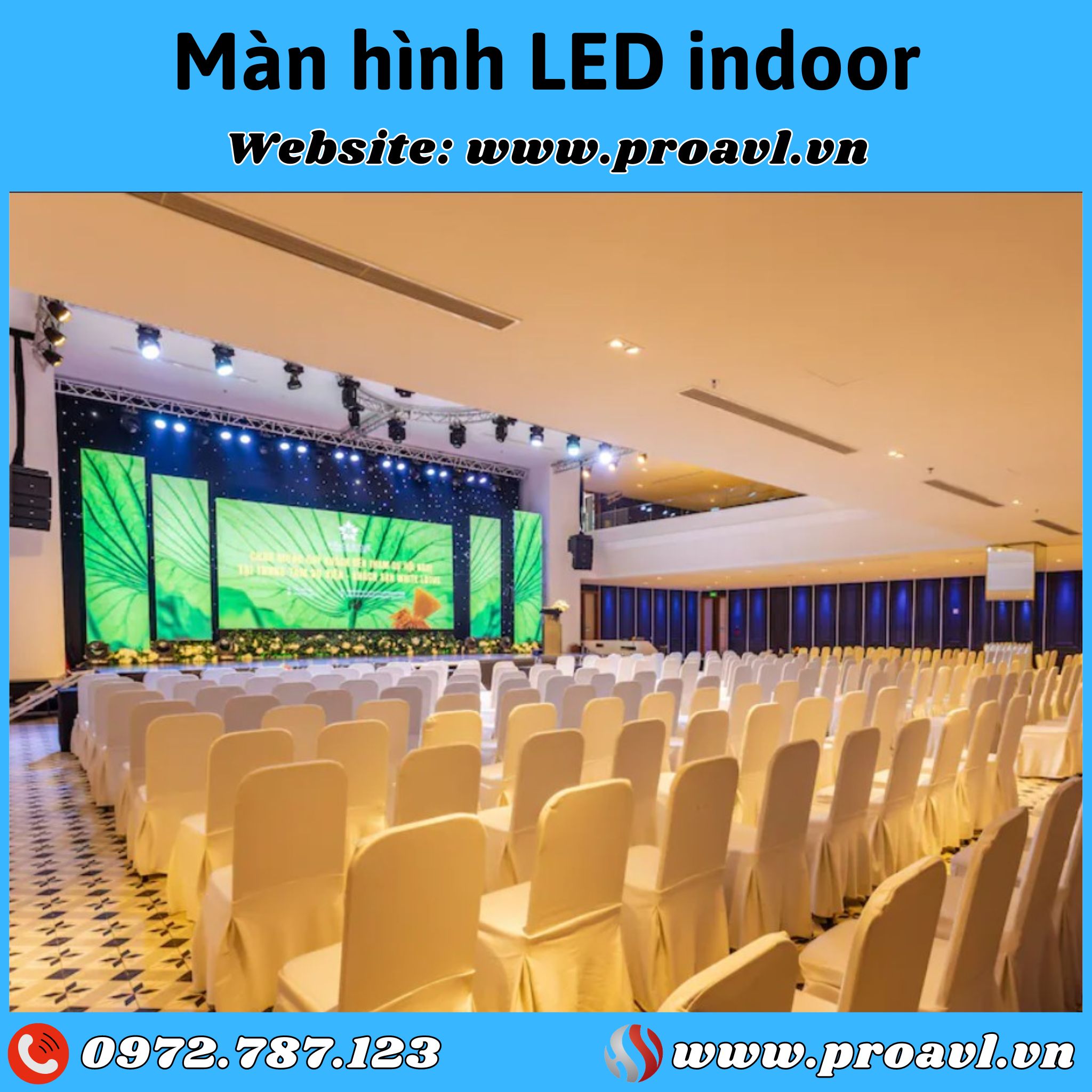
1. Indoor LED screen applications
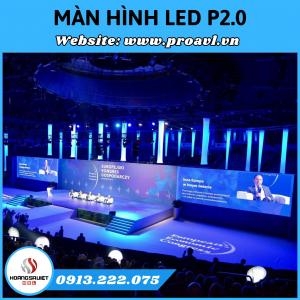
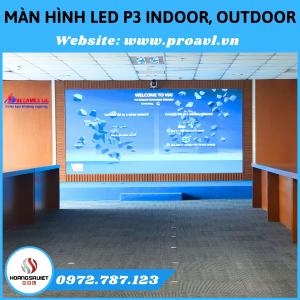
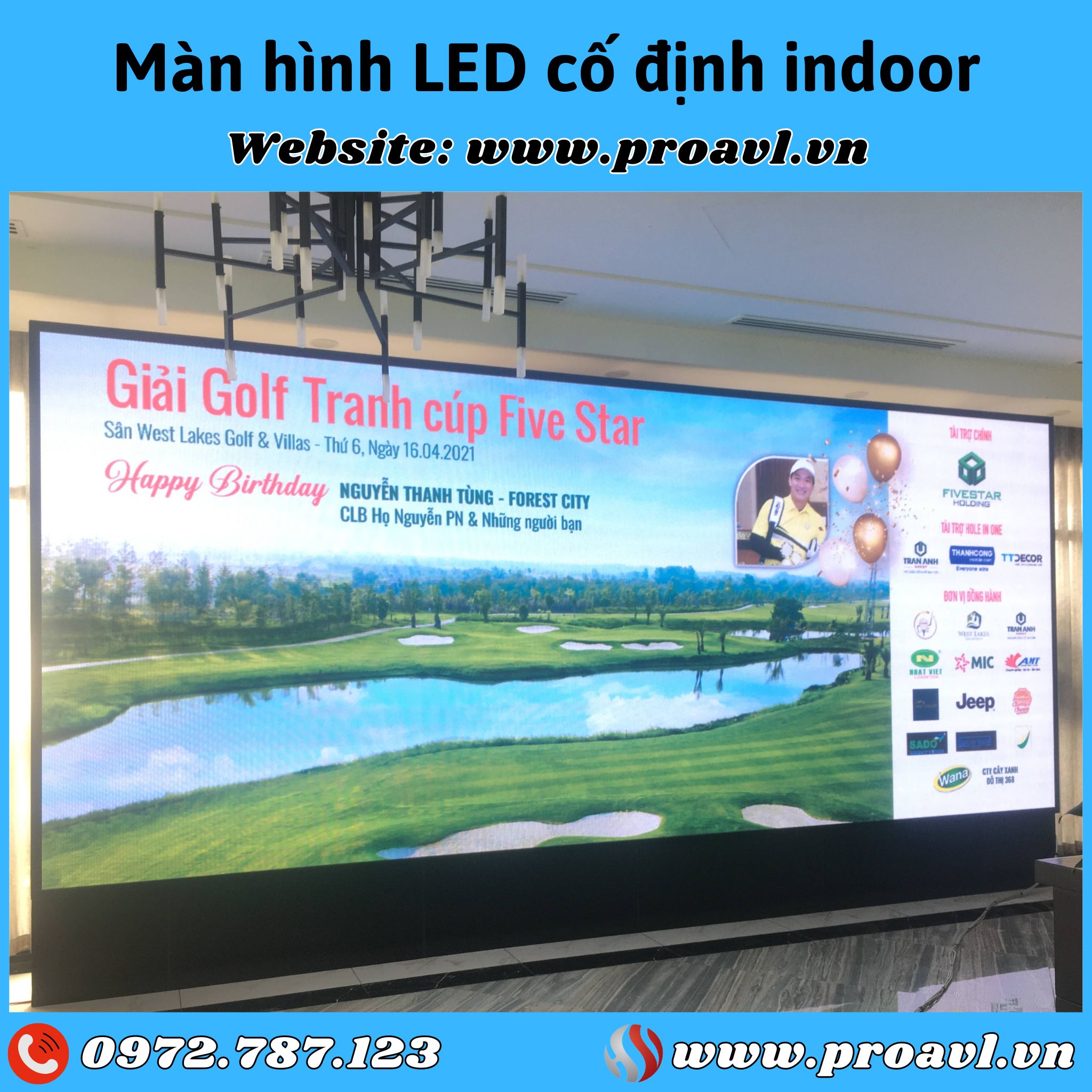
Indoor LED screens , also known as indoor display screens , are a type of screen used to display images and videos. Indoor LED screens are used in various fields such as business, entertainment, advertising, education, and training.
Applications of indoor LED screens:
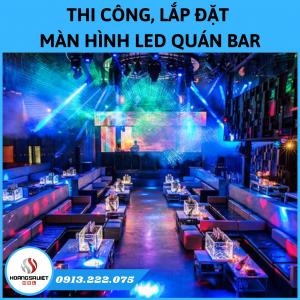
Entertainment sector: Indoor LED screens typically have high brightness, making them suitable for installation in cinemas, theaters, showrooms, and can also be installed at home as a replacement for projection equipment such as projectors and televisions.
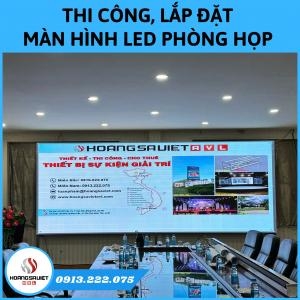
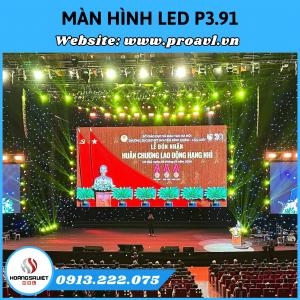
Education and Training: Indoor LED screens are also installed in auditoriums, conference rooms, and meeting rooms for educational purposes. LED screens offer better display quality than other types of projection screens, preventing blurry images or streaks. They are also used for employee training and improving work efficiency.
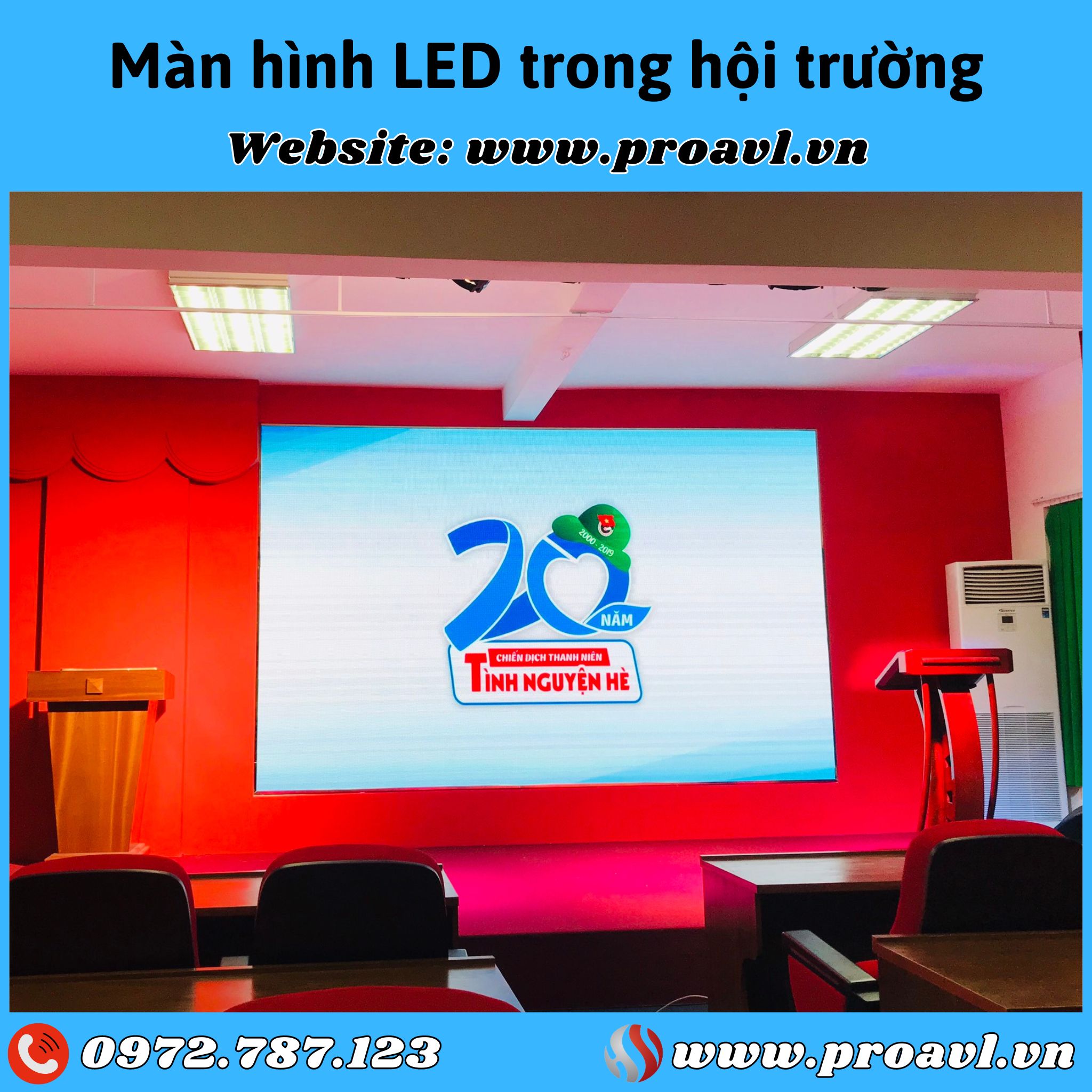
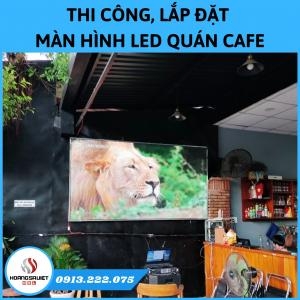
In business: Indoor LED screens are also installed and used in wedding venues and shopping malls to advertise products and services, introduce new products, and attract customers.
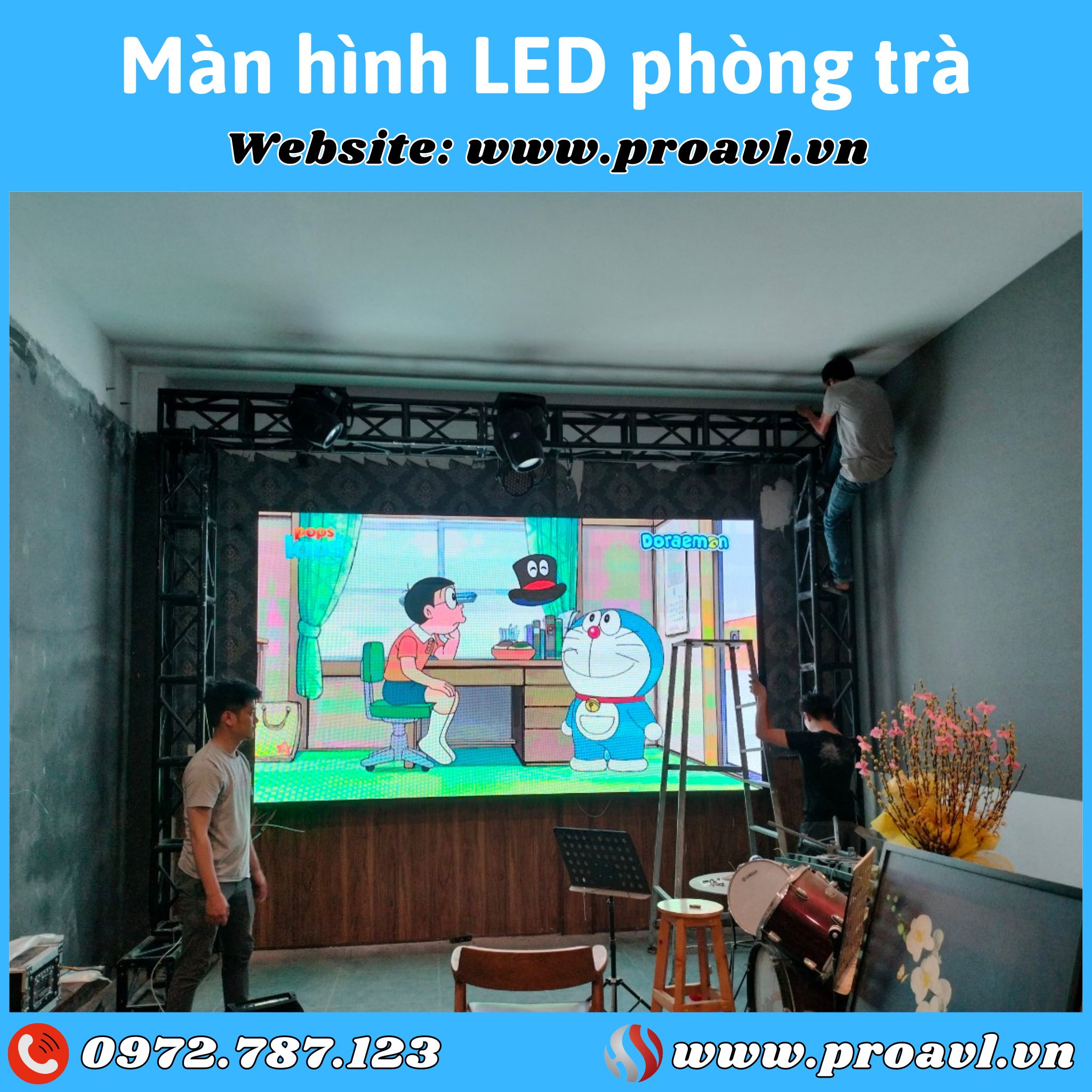
Advantages of indoor LED screens:
High resolution: Indoor LED screens offer higher resolution compared to other display types, allowing for sharper and more realistic image and video display.
Long lifespan: Indoor LED screens have a longer lifespan compared to other screen types, up to 100,000 hours of use.
Easy to maintain: Indoor LED screens are assembled from LED modules, so maintenance is very easy and quick.
Variety of sizes: Indoor LED screens come in a variety of sizes that are easily customizable.
Indoor LED screens are a great option for homes, businesses, and other organizations. They provide users with an effective and excellent entertainment, educational, and business experience.
The downside of indoor LED screens: LED screens are more expensive than other types of display screens due to the use of modern LED technology; however, this is not a major issue for businesses because the benefits they provide far outweigh the initial cost.
2. Differences between indoor and outdoor LED screens
Both indoor and outdoor LED screens have the primary function of displaying images; however, there are some key differences, such as:
Regarding brightness: Outdoor LED screens have higher brightness than indoor LED screens; outdoor LED screens are clearly visible in sunlight.
Outdoor LED screens are more durable than indoor LED screens. Outdoor LED screens have to withstand external factors such as weather: sun, rain, dust, etc.
Outdoor LED screens also have a wider viewing angle , allowing them to be clearly seen from many different locations.
Indoor LED screens are less expensive than outdoor LED screens because outdoor LED screens require higher-quality components, resulting in a significantly higher price compared to indoor LED screens.
.jpg)
.jpg)
3. Classification of indoor LED screens
Currently, there are three main types of LED screens on the market: flat LED screens, curved LED screens, and transparent LED screens.
Vertical LED screens are the most widely used type of LED display. They can be easily found everywhere. They are flat and are constructed and installed vertically. Vertical LED screens are commonly used in shopping malls, airports, train stations, cinemas, theaters, and more.

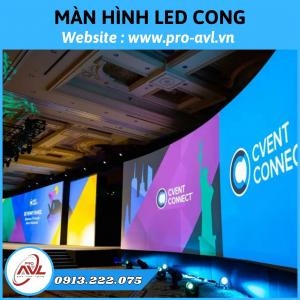
Curved LED screens are a type of LED display assembled from curved LED modules, creating a screen with a customizable curvature and size. Curved LED screens offer several advantages over flat LED screens, including wider viewing angles, sharper images, and reduced eye strain. Curved LED screens are commonly used for advertising and installed in high-rise buildings and shopping malls.
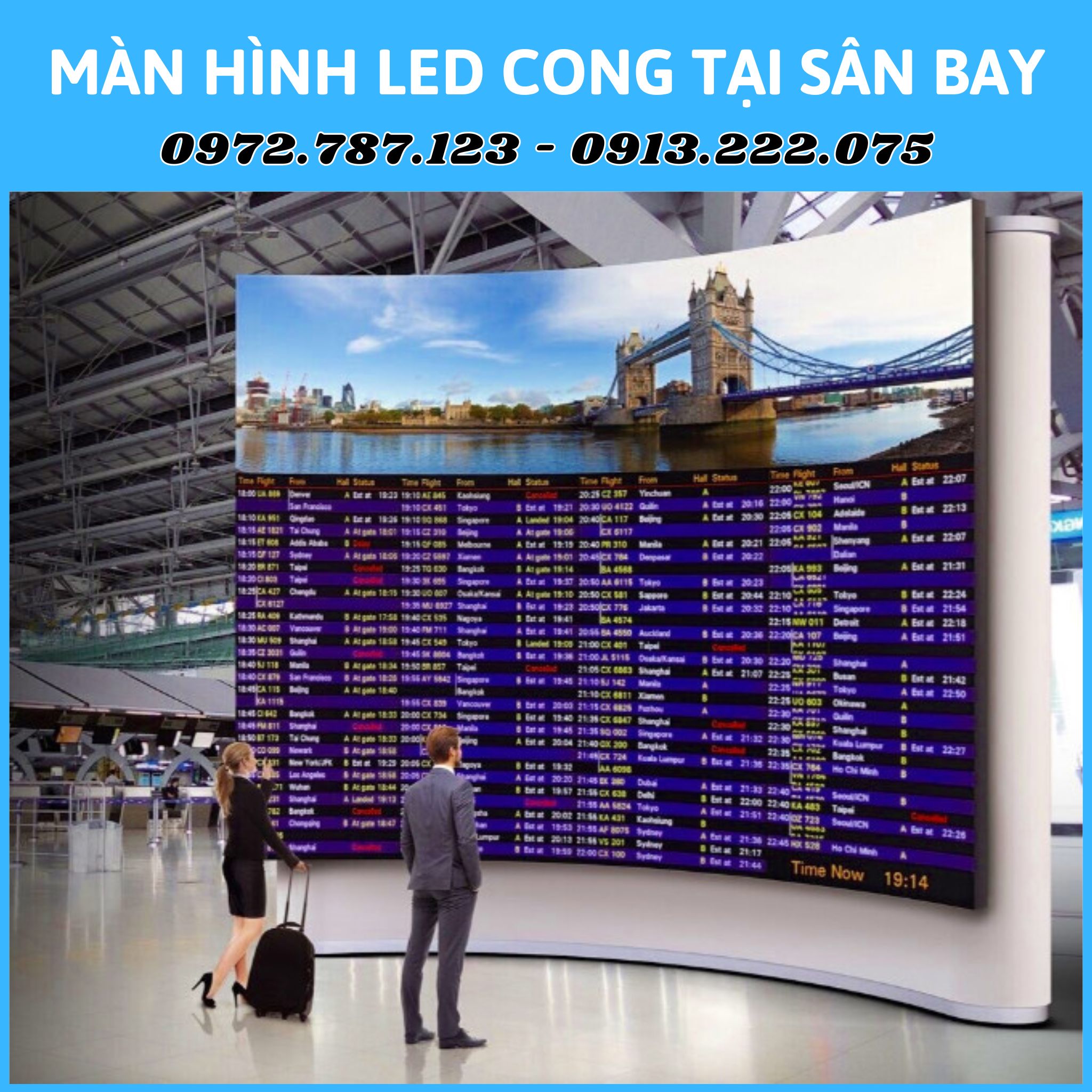
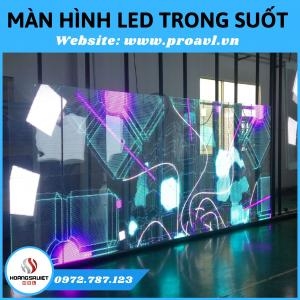
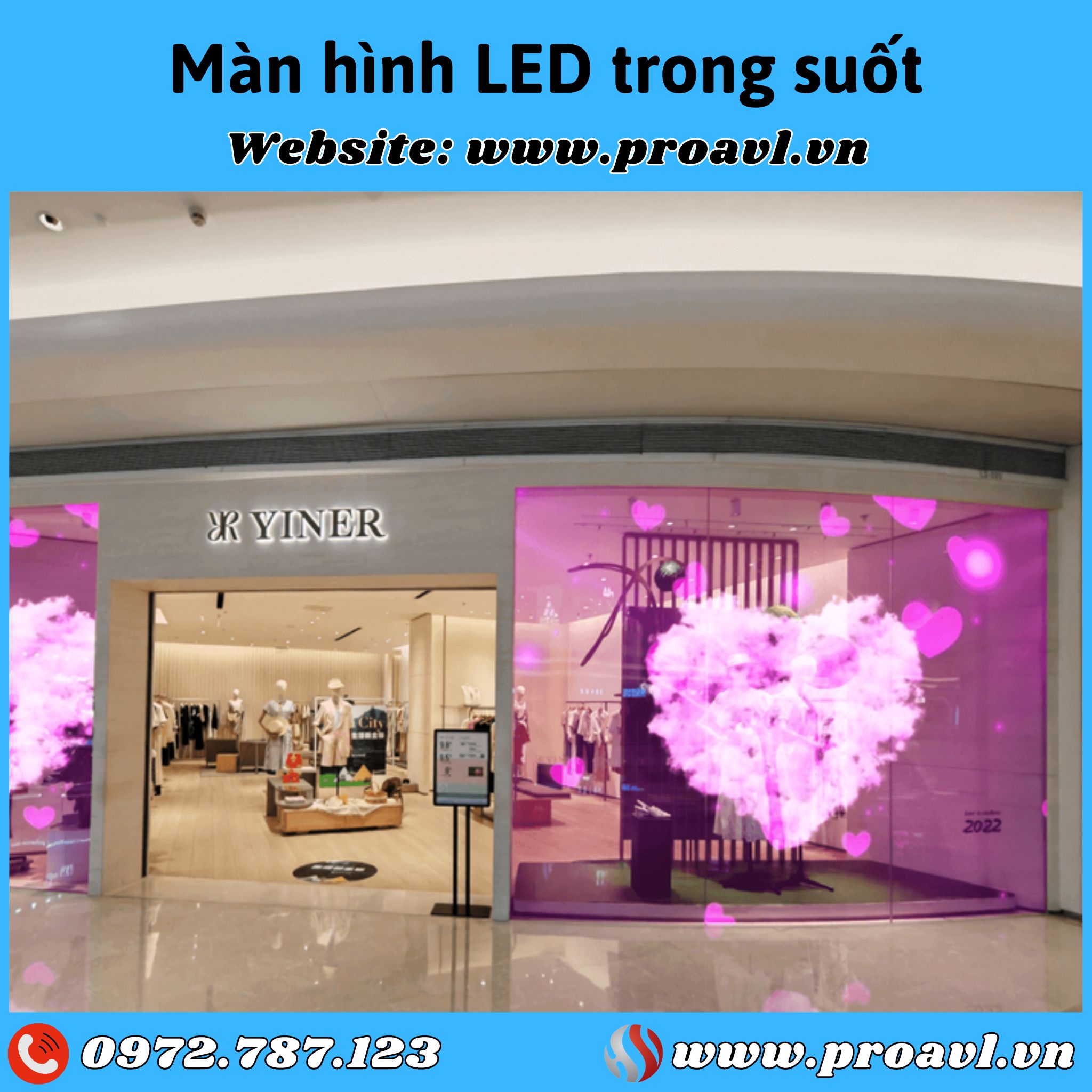
Transparent LED screens are an upgraded version of conventional LED screens, allowing you to see through them even when they are in operation. These types of LED screens are often installed in conjunction with glass walls or facades in retail stores, shopping malls, administrative offices, or public buildings. Transparent LED screens play a crucial role in promoting a business's products and services.
4. Price quotation for indoor LED screens
The price of LED screens depends on the type of screen, from P1 to P10. P1 screens are the most expensive and P10 screens are the least expensive. The larger the LED screen, the higher the price, and vice versa. When installing an LED screen, you are not limited by size; you can easily choose a size that suits your space and needs.
5. Indoor LED screen specifications
Technical specifications table for the 6 most commonly used LED display modules today.
| Specifications | P2 | P2.5 | P3 | P3.91 | P4 | P5 |
| Pixel pitch | 2mm | 2.5mm | 3mm | 3.91mm | 4mm | 5mm |
| Resolution (pixels) | 160x160 | 128x128 | 64x64 | 64x64 | 64x64 | 64x64 |
| Brightness (cd/m2) |
5,000 - 10,000 |
3500 - 5000 |
3500 - 5000 | 3500 - 5000 | 3500 - 5000 | 3500 - 5000 |
| Perspective | 160° | 160° | 160° | 160° | 160° | 160° |
| Scanning frequency | 1920Hz | 1920Hz | 1920Hz | 1920Hz | 1920Hz | 1920Hz |
| Response time | 1ms | 1ms | 1ms | 1ms | 1ms | 1ms |
| Lifespan (hours) | 100,000 | 100,000 | 100,000 | 100,000 | 100,000 | 100,000 |
| Power source | 12V | 12V | 12V | 12V | 12V | 12V |
| Size (mm) | 320 x 160 | 320 x 160 | 192 x 192 | 250 x 250 | 320 x 160 | 320 x 160 |
6. Introducing the LED display company - HSV ProAVL
HSV Pro AVL , a LED screen company, specializes in the design, construction, and installation of genuine, high-quality LED screens. With nearly 15 years of experience in the industry, HSV Pro AVL has completed thousands of LED screen installation projects nationwide.
HSV ProAVL products are guaranteed to have all the necessary legal documentation:
- Provide full CO - CQ certificates.
- Provide all necessary official import documents.
- Fast warranty service, quick technical troubleshooting.
- Our team of skilled technicians has many years of experience in installing and repairing LED screens.
.jpg)
7. Installation and setup process for indoor LED screens
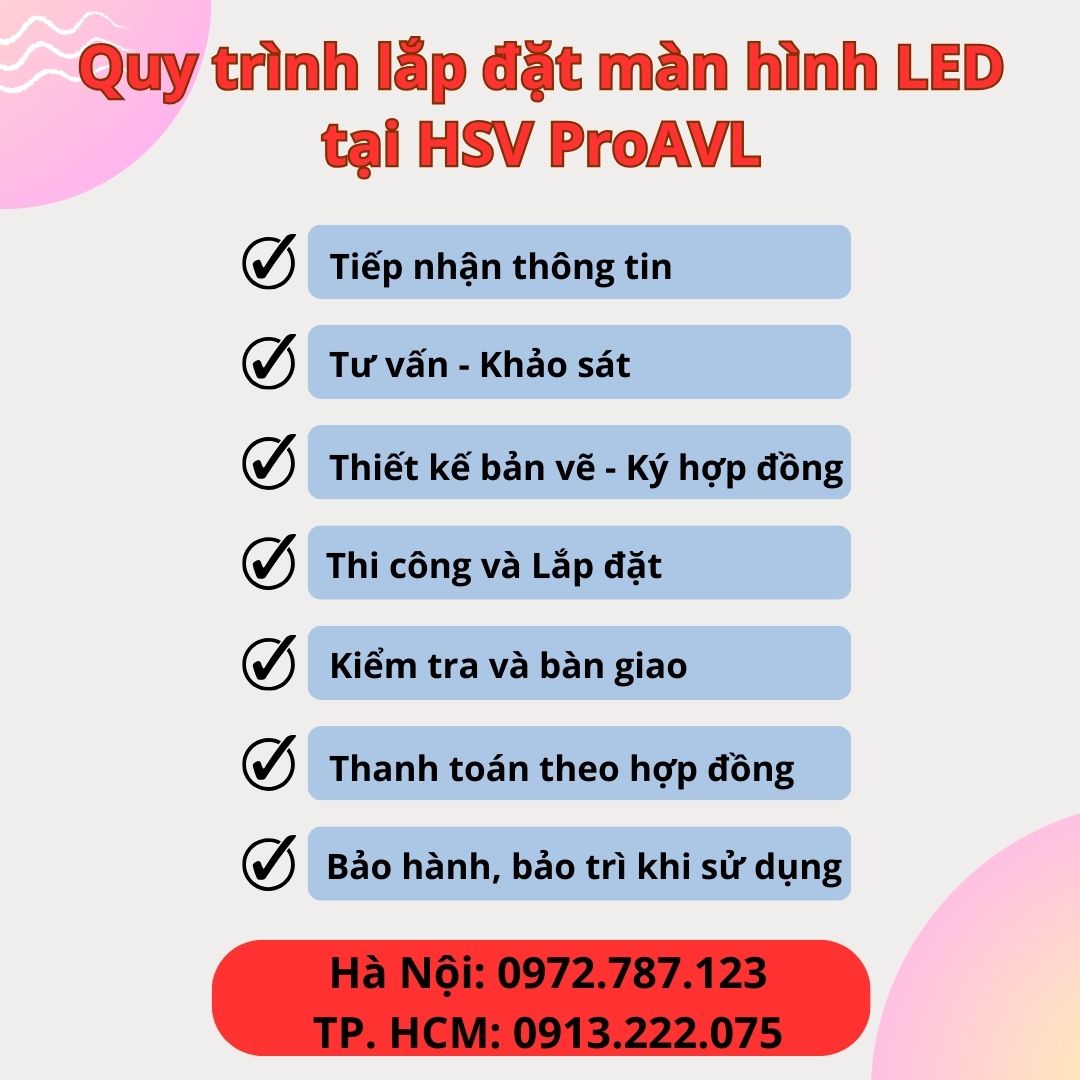
HSV ProAVL's LED screen installation and construction process:
Step 1: Receive customer information
Customers need to provide the installation location for the LED screen in the auditorium, the LED screen size, and their preferences and requirements for the type of LED screen to be installed.
Step 2: Provide preliminary advice and conduct a site survey for installation.
After receiving the information, HSV ProAVL staff will provide preliminary advice on the type of LED screen and installation costs. Once you agree with the plan proposed by HSV ProAVL, our staff will proceed to the site for a survey.
Step 3: Design the detailed drawings and sign the contract.
After surveying the site, HSV ProAVL will prepare the construction drawings and send them along with the contract agreement.
Step 4: Proceed with the construction and installation of the LED screen in the auditorium.
Once the contract is signed, the team will proceed with the construction and installation of the LED screen in the auditorium.

Step 5: Testing, acceptance, and handover of the project.
The technical staff will conduct a test run of the LED screen. If no errors or technical problems occur during the test, the project will be inspected and handed over to the customer. The customer will confirm and proceed with payment according to the contract.
Step 6: Payment according to contract
Payment terms for the project will be included in the contract and the LED screen quotation.
Step 7: Warranty and maintenance during use.
HSV ProAVL's staff will carry out warranty and maintenance services for the LED screen according to the signed contract, without incurring any additional costs.
8. Contact us for LED screen installation and setup.
HSV ProAVL provides consulting, quotation, design, and installation services for LED screens.
- Indoor and outdoor LED screen installation
- Installing LED screens in shopping malls.
- Install LED advertising display screens.
- Installing LED screens for stages and events.
- Installation of LED screens for auditoriums, seminars, and conferences.
- Installation of LED Standee and LED Touch Screen Displays
With a sales and technical team boasting over 10 years of industry experience, we are confident in providing customer satisfaction with our LED screen products and installation services.
HSV ProAVL imports LED screens directly from the manufacturer, without intermediaries, offering the best possible prices to our customers.
HSV ProAVL specializes in the reliable installation and construction of LED screens.
Hanoi: 0972.787.123
Ho Chi Minh City: 0913.222.075
Email: hsvavl@gmail.com
Hanoi: No. 229, Van Tri Street, Van Noi Ward, Dong Anh District, Hanoi
Ho Chi Minh City: 184/20 Le Dinh Can Street, Tan Tao Ward, Binh Tan District, Ho Chi Minh City
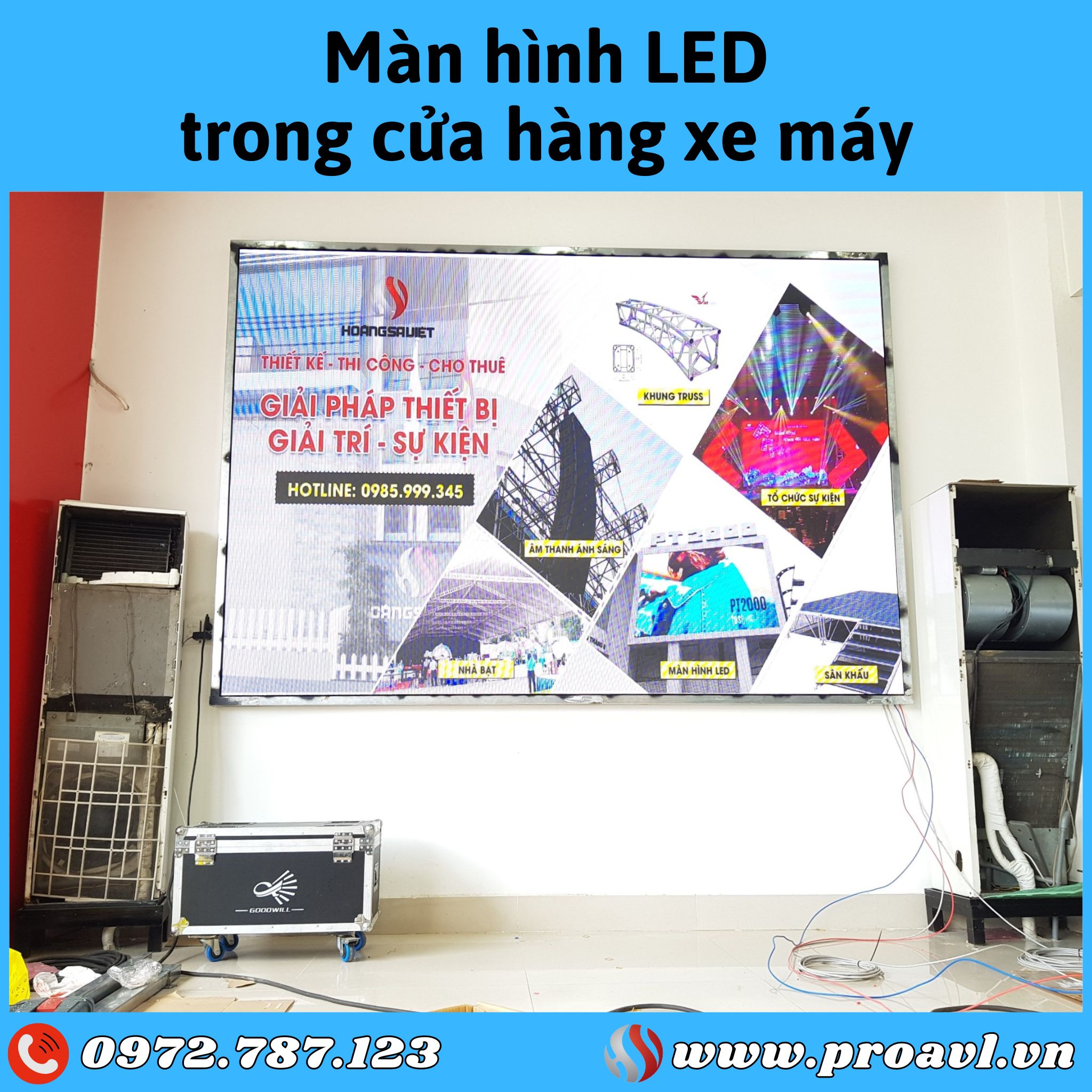
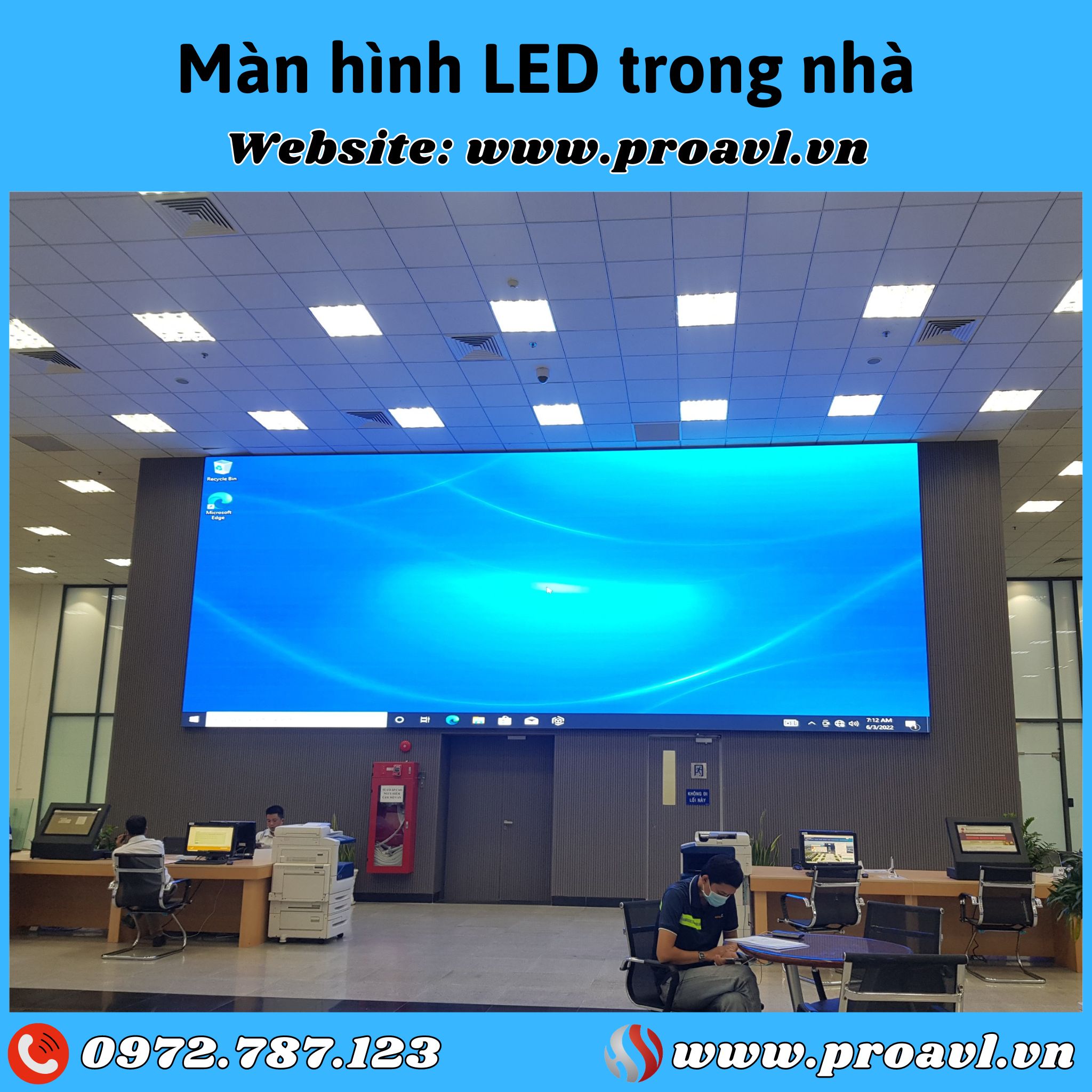
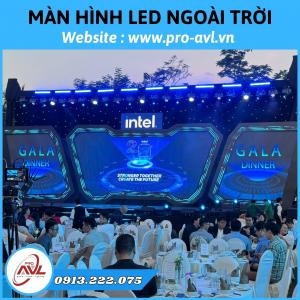
9. Projects HSV ProAVL has completed nationwide.



ĐỊA CHỈ VĂN PHÒNG
- Trụ sở Hà Nội: 229, Đ. Vân Trì, Xã Phúc Thịnh, Hà Nội
- Văn phòng TP. HCM: 184/20A Lê Đình Cẩn, Khu phố 6, Phường Tân Tạo, TP Hồ Chí Minh
- Trụ sở HCM: G5/11 Đường Lô 2, Ấp 27, Xã Bình Lợi, TPHCM
- CN Phú Quốc: ĐT45, Dương Đông, Phú Quốc
- Nhà Máy Sản Xuất: Xã Bình Lợi, TP. HCM
TÀI KHOẢN NGÂN HÀNG
- CÔNG TY CỔ PHẦN THIẾT BỊ SỰ KIỆN PRO AVL
- Số tài khoản: 112003034161
- Ngân hàng: Vietinbank
- Chi nhánh: Chợ Lớn - PGD BÌNH TÂN

THÔNG TIN LIÊN HỆ
-
Hotline: 0913222075
- Email: hsvavl@gmail.com
- Website: https://pro-avl.vn/
- Mã số thuế: 0319289763
- TUYỂN DỤNG NHÂN SỰ
© Copyright 2026. Copyright belong to ProAVL